

Common corrections include matter changes, duration reductions, narrative rewrites, billing-status changes, task or activity code changes, entry deletion, and entry split or merge. Track the reason, not only the value changed.

Why Prebill Corrections Matter
Heavy prebill editing creates partner review burden, billing-team rework, delayed invoices, lost context, and write-down risk. It also hides whether the source timekeeping process is improving.
Measure Correction Rate
Track entries changed during prebill divided by entries reviewed, then break the result into narrative, matter, duration, code, billing-status, and deletion rates.
Root-Cause Analysis
Do not stop at 'partner reduced 0.8 to 0.5.' Ask whether the cause was a timer overrun, late reconstruction, hidden client rule, wrong matter, vague description, duplicate work, or scope issue.

Capture and Matter Selection Before Prebill
Review activity and matter context while the details of the work are still available.
Review area | What to check or do |
Improve Capture First | Late entry increases correction risk because context fades. Encourage same-day capture, calendar review, document review, email review, short-task capture, and daily completion. |
Improve Matter Selection | Matter errors are common when one client has many active matters. Use matter IDs, recent matters, workspaces, and source context rather than relying only on a contact name. |
Improve Narratives and Codes
A strong narrative explains action + subject + purpose. Where codes are required, confirm task code, activity code, code set, matter phase, and narrative-code consistency.
Apply Client Rules Earlier
Client rules may cover block billing, administrative work, internal conferences, research, travel, staffing, billing increments, and required codes. Surface them before release rather than during prebill.
Shift Quality Left
The preferred flow is capture → draft → lawyer review → rule checks → release → prebill. Prebill can then focus on judgment and commercial decisions rather than routine cleanup.
Feedback Loop
Every repeated correction should improve policy, training, matter setup, rule libraries, prompts, integrations, or user experience. Otherwise the same issue returns next month.
How MIRA Fits
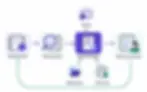
MIRA supports early review by capturing activity, preparing draft descriptions and code suggestions, and giving lawyers editing, merging, exclusion, and release controls inside Microsoft Teams. It does not replace prebill approval.
Related Resources
Authoritative References
This guide is for educational purposes only. Billing, accounting, client, and professional-conduct requirements vary by firm, engagement, and jurisdiction.
Frequently Asked Questions
What causes the most prebill corrections?
Common causes include late entry, vague narratives, wrong matters, duration errors, billing-code problems, and client-rule violations.
Can AI reduce prebill corrections?
AI can help draft clearer entries and flag routine issues, but lawyers and billing professionals should review the final result.
When should quality checks happen?
As early as practical, ideally during daily time-entry review.
What should firms measure?
Track correction rates by category, reviewer, client, matter, timekeeper, and entry age.
